Best Fillet Knife: The Ultimate Buying Guide for Perfect Fish Filleting

best fillet knives
Whether you’re a professional chef, an avid angler, or someone who enjoys preparing fresh seafood at home, investing in the best fillet knife can dramatically improve your cooking experience. A quality fillet knife allows you to make clean cuts, reduce waste, and create restaurant-quality fish fillets with ease.
Unlike standard kitchen knives, fillet knives are specifically designed with thin, flexible blades that glide smoothly along fish bones and skin. This specialized design makes them an essential tool for processing salmon, trout, tuna, walleye, catfish, and many other species.
In this comprehensive guide, we’ll explore everything you need to know about selecting the best fillet knife, including its benefits, drawbacks, practical applications, and key buying considerations. We’ll also discuss what salmon tastes like and how a quality fillet knife helps maximize the flavor and texture of fresh fish.
What Is a Fillet Knife?
A fillet knife is a specialized kitchen and fishing tool designed primarily for separating fish meat from bones and skin. Its narrow blade allows precise cuts, while its flexibility enables the knife to follow the contours of the fish.
Most fillet knives range from 4 to 11 inches in blade length, depending on the type and size of fish being prepared.
Common Fillet Knife Features
- Thin and narrow blade
- Flexible construction
- Razor-sharp cutting edge
- Corrosion-resistant materials
- Comfortable ergonomic handle
- Lightweight design
These characteristics allow users to process fish efficiently while preserving as much edible meat as possible.
Why Choosing the Best Fillet Knife Matters
Many people underestimate the impact a high-quality knife can have on food preparation. However, when it comes to fish processing, the right knife makes a significant difference.
Improved Precision
The best fillet knives provide exceptional control, allowing users to make delicate cuts around bones and joints.
Reduced Waste
A flexible blade helps maximize meat recovery, ensuring less fish is left attached to the skeleton.
Better Presentation
Clean, professional-looking fillets are easier to achieve with a properly designed fillet knife.
Enhanced Safety
Sharp, purpose-built knives often require less force, reducing the risk of slips and accidental injuries.
Key Features to Look for in the Best Fillet Knife
When shopping for a fillet knife, several important factors should influence your decision.
Blade Material
Stainless Steel
Stainless steel remains the most popular choice because it offers:
- Excellent corrosion resistance
- Easy maintenance
- Affordable pricing
- Long-lasting performance
High Carbon Steel
High carbon steel provides:
- Superior sharpness
- Excellent edge retention
- Precise cutting ability
However, it requires more maintenance to prevent rust.
Blade Flexibility
Different fish species require varying levels of flexibility.
Flexible Blades
Ideal for:
- Salmon
- Trout
- Flounder
- Smaller freshwater fish
Stiff Blades
Better suited for:
- Tuna
- Swordfish
- Larger saltwater species
Blade Length
4–6 Inches
Best for:
- Panfish
- Crappie
- Perch
7–8 Inches
Best all-purpose size for:
- Salmon
- Bass
- Walleye
- Trout
9–11 Inches
Ideal for:
- Large salmon
- Tuna
- Offshore species
Handle Design
The handle should offer:
- Non-slip grip
- Comfort during prolonged use
- Resistance to water and fish slime
Popular handle materials include:
- Rubber
- Polymer
- Textured plastic
- Wood composites
Best Fillet Knife Types
Traditional Fillet Knives
These manually operated knives provide maximum control and are favored by professional chefs.
Electric Fillet Knives
Electric models offer:
- Faster processing
- Less hand fatigue
- Consistent cutting speed
However, they may sacrifice some precision compared to manual knives.
Folding Fillet Knives
Popular among anglers, folding models offer:
- Easy portability
- Compact storage
- Safe transportation
Advantages of Using the Best Fillet Knife
1. Cleaner Cuts
A dedicated fillet knife creates smooth, clean cuts that preserve fish texture and appearance.
2. Faster Processing
The specialized blade design allows fish cleaning and filleting to be completed more efficiently.
3. Versatility
Many fillet knives can also be used for:
- Trimming meat
- Removing silver skin
- Preparing poultry
- Processing seafood
4. Improved Yield
You retain more edible fish meat, maximizing value from every catch.
5. Easier Skin Removal
The flexible blade glides between skin and flesh with minimal resistance.
Disadvantages of Fillet Knives
While fillet knives offer numerous benefits, they are not perfect for every task.
1. Specialized Purpose
A fillet knife is designed primarily for fish and may not replace a chef’s knife.
2. Requires Maintenance
Sharp blades need regular honing and occasional sharpening.
3. Potential Learning Curve
Beginners may need practice to fully utilize blade flexibility and precision.
4. High-End Models Can Be Expensive
Premium fillet knives often command higher prices due to superior materials and craftsmanship.
Direct Uses of a Fillet Knife
The best fillet knife serves many practical purposes beyond simple fish cleaning.
Fish Filleting
Its primary purpose is removing fish meat from bones efficiently.
Skinning Fish
The thin blade slides smoothly beneath fish skin.
Deboning
Excellent for removing pin bones and rib bones.
Seafood Preparation
Useful for:
- Shrimp cleaning
- Squid preparation
- Lobster processing
Meat Trimming
Many hunters use fillet knives for trimming venison and other game meats.
Poultry Processing
Useful for removing skin and trimming fat from chicken and turkey.
Best Fish Species for Fillet Knife Preparation
A quality fillet knife excels when preparing:
- Salmon
- Trout
- Bass
- Walleye
- Pike
- Tuna
- Snapper
- Mackerel
- Catfish
- Cod
Each species benefits from the precision and flexibility that a dedicated fillet knife provides.
What Does Salmon Taste Like?
Many seafood enthusiasts searching for the best fillet knife are also interested in preparing salmon.
Understanding Salmon Flavor
So, what does salmon taste like?
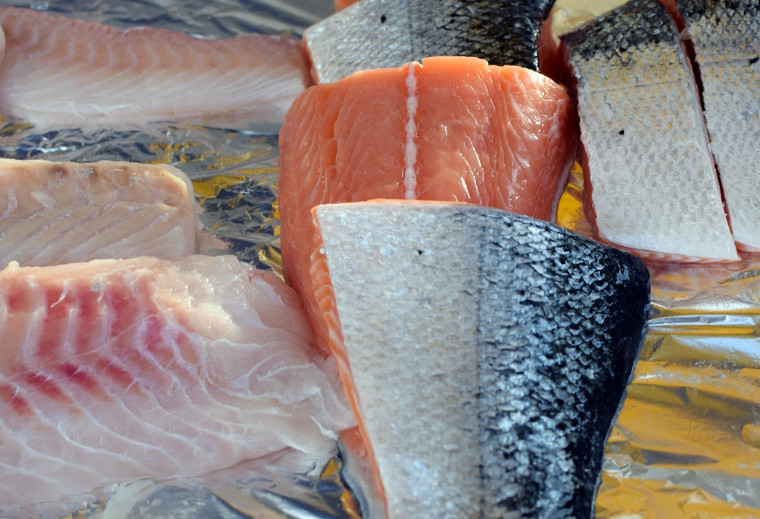
Salmon has a rich, buttery flavor that is often described as mildly sweet with a delicate oceanic character. Compared to stronger-tasting fish like mackerel or sardines, salmon offers a balanced flavor profile that appeals to both seafood lovers and beginners.
Its taste can vary depending on the species:
Atlantic Salmon
- Mild flavor
- Rich texture
- High fat content
Sockeye Salmon
- Deep red flesh
- Stronger flavor
- Firm texture
Coho Salmon
- Moderate richness
- Delicate flavor
- Tender texture
King Salmon
- Exceptionally rich
- Buttery mouthfeel
- Premium eating quality
Why Fillet Quality Affects Salmon Taste
A sharp fillet knife helps preserve the texture and integrity of salmon flesh.
Poor cuts can:
- Damage muscle fibers
- Reduce presentation quality
- Cause moisture loss during cooking
Clean filleting helps maintain salmon’s natural flavor and tenderness.
How to Use a Fillet Knife Properly
Step 1: Position the Fish
Place the fish on a stable cutting surface.
Step 2: Make the Initial Cut
Cut behind the gills and down to the backbone.
Step 3: Follow the Backbone
Use long, smooth strokes to separate the fillet from the skeleton.
Step 4: Remove Rib Bones
Carefully trim around the rib cage.
Step 5: Skin the Fillet
Insert the blade between skin and flesh while maintaining a shallow angle.
Step 6: Remove Pin Bones
Use tweezers or fish pliers to remove remaining bones.
Maintaining Your Fillet Knife
Proper care ensures long-term performance.
Clean Immediately
Wash after every use to remove fish oils and residue.
Dry Thoroughly
Moisture promotes corrosion and dulling.
Sharpen Regularly
Maintain a razor-sharp edge using:
- Whetstones
- Sharpening rods
- Guided sharpeners
Store Safely
Use:
- Blade guards
- Knife sheaths
- Magnetic storage systems
Common Mistakes When Buying a Fillet Knife
Choosing the Wrong Blade Length
Match blade size to the fish species you most commonly prepare.
Ignoring Flexibility
Too much or too little flexibility can make filleting difficult.
Prioritizing Price Over Quality
A quality knife often lasts years longer than a cheap alternative.
Overlooking Handle Comfort
Comfort is essential for prolonged fish-cleaning sessions.
Best Fillet Knife Buying Checklist
Before purchasing, ask yourself:
- What species do I usually catch?
- Do I need portability?
- Will I use it in freshwater or saltwater environments?
- How important is corrosion resistance?
- What is my budget?
Answering these questions helps narrow your options and identify the best knife for your needs.
Who Should Buy a Fillet Knife?
A dedicated fillet knife is an excellent investment for:
Recreational Anglers
Process fresh catches quickly and efficiently.
Professional Fishermen
Improve productivity and maximize yield.
Home Cooks
Prepare seafood dishes with greater precision.
Hunters
Trim meat and remove connective tissue.
Chefs
Create professional-quality seafood presentations.
Final Thoughts
Finding the best fillet knife ultimately depends on your specific needs, preferred fish species, and experience level. A quality fillet knife offers superior precision, cleaner cuts, easier skin removal, and better meat recovery than general-purpose kitchen knives.
Whether you’re preparing fresh trout from a weekend fishing trip or crafting restaurant-quality salmon fillets at home, the right knife can dramatically improve both efficiency and results.
Beyond fish preparation, a well-made fillet knife serves as a versatile tool for trimming meat, processing seafood, and enhancing overall kitchen performance. When combined with proper maintenance and technique, a premium fillet knife becomes an indispensable part of any angler’s tackle box or cook’s kitchen arsenal.
If you frequently enjoy seafood and have ever wondered what salmon tastes like, investing in the best fillet knife is one of the simplest ways to elevate your culinary experience and fully appreciate the flavor, texture, and quality of freshly prepared fish.