What Does Catfish Taste Like? Everything You Need to Know Before Trying This Popular Fish

If you’ve ever wondered, “What does catfish taste like?”, you’re not alone. Catfish is one of the most popular freshwater fish consumed around the world, especially in the Southern United States, Asia, and parts of Africa. Despite its popularity, many people hesitate to try catfish because they’ve heard conflicting opinions about its flavor.
The truth is that catfish has a unique but approachable taste that appeals to both seafood lovers and beginners. Whether you’re considering ordering fried catfish at a restaurant or preparing fresh catfish at home, understanding its flavor profile can help you decide if it’s the right fish for you.
In this comprehensive guide, we’ll explore what catfish tastes like, how its texture compares to other fish, the factors that affect its flavor, and the best cooking methods to maximize its delicious qualities.
What Does Catfish Taste Like?
Catfish has a mild, slightly sweet, and savory flavor with subtle earthy undertones. Unlike stronger fish varieties such as mackerel or sardines, catfish does not have an overpowering “fishy” taste. Instead, its flavor is often described as rich, buttery, and pleasantly meaty.
The exact taste of catfish depends heavily on where it was raised:
- Farm-raised catfish tends to have a cleaner, milder flavor.
- Wild-caught catfish often has a stronger earthy or muddy taste due to its natural environment and diet.
Many people compare the taste of catfish to a combination of:
- Tilapia
- Cod
- Haddock
- Freshwater bass
However, catfish generally has a richer and more buttery flavor than these fish.
Does Catfish Taste Fishy?
One of the most common questions people ask is whether catfish tastes fishy.
The good news is that properly prepared catfish is usually not very fishy. Fresh, high-quality catfish has a mild aroma and a clean taste. Excessively fishy flavors often result from:
- Poor handling after harvest
- Older fish
- Wild catfish harvested from muddy waters
- Improper storage conditions
Farm-raised catfish sold in grocery stores is specifically raised to minimize undesirable flavors, making it one of the best choices for people who don’t typically enjoy seafood.
What Does Catfish Texture Feel Like?
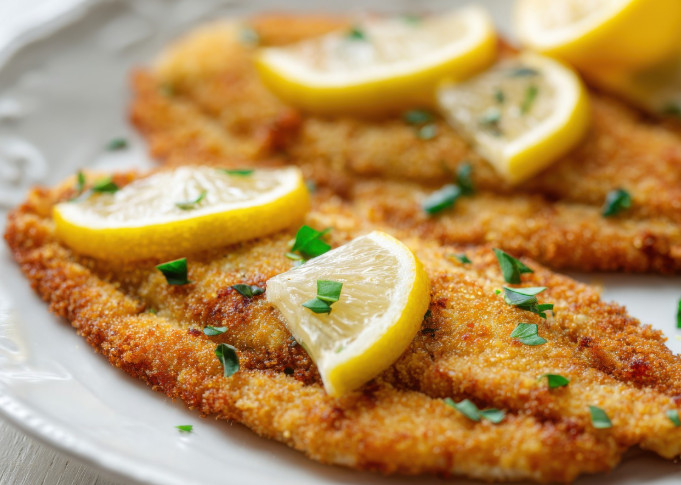
The texture of catfish is one of its defining characteristics.
Catfish has a texture that is:
- Firm yet tender
- Moist and juicy
- Slightly flaky
- Meaty rather than delicate
Unlike flaky white fish that easily falls apart, catfish maintains its structure during cooking. This quality makes it ideal for frying, grilling, baking, and smoking.
Many first-time eaters describe catfish as having a texture somewhere between:
- Cod
- Halibut
- Chicken breast
Its firm texture also helps it absorb seasonings and marinades exceptionally well.
Farm-Raised vs. Wild Catfish Taste
Not all catfish tastes the same. The biggest difference comes down to whether the fish is farm-raised or wild-caught.
Farm-Raised Catfish
Farm-raised catfish typically offers:
- Mild flavor
- Clean taste
- Consistent texture
- Less earthy aroma
Because of controlled feeding and water conditions, farm-raised catfish has become the preferred choice for restaurants and home cooks.
Wild Catfish
Wild catfish often features:
- Stronger flavor
- Earthier notes
- More pronounced fish taste
- Firmer meat
Some seafood enthusiasts prefer wild catfish because they enjoy its more complex flavor profile, while others find it too intense.
Why Does Some Catfish Taste Muddy?
A common criticism of catfish is its occasional muddy taste.
This muddy flavor comes from natural compounds produced by algae and microorganisms in freshwater environments. Wild catfish living in ponds, lakes, or rivers with high organic content can absorb these compounds through their skin and gills.
Fortunately, there are several ways to reduce muddy flavors:
- Choose farm-raised catfish.
- Soak catfish in milk or buttermilk before cooking.
- Use acidic marinades containing lemon juice or vinegar.
- Remove darker fatty tissue from the fillet.
These techniques help create a cleaner and more enjoyable flavor.
Is Catfish Good to Eat?
Absolutely. Catfish is considered one of the most versatile and accessible freshwater fish available.
People enjoy catfish because it offers:
- Mild flavor
- Affordable price
- High protein content
- Easy preparation
- Excellent nutritional value
Its forgiving texture also makes it ideal for beginner cooks who may struggle with more delicate seafood varieties.
Nutritional Benefits of Catfish
Besides tasting great, catfish provides numerous nutritional advantages.
A typical serving of catfish contains:
- High-quality protein
- Omega-3 fatty acids
- Vitamin B12
- Selenium
- Phosphorus
- Potassium
Catfish is relatively low in calories while providing essential nutrients that support:
- Heart health
- Muscle growth
- Brain function
- Immune system health
Farm-raised catfish also tends to have lower mercury levels than many larger seafood species.
Best Ways to Cook Catfish
The cooking method dramatically influences what catfish tastes like.
Fried Catfish
Fried catfish is arguably the most famous preparation method.
When coated in cornmeal and fried, catfish develops:
- Crispy exterior
- Tender interior
- Rich savory flavor
- Slight sweetness
This preparation style is especially popular in Southern cuisine.
Grilled Catfish
Grilling creates a smoky flavor that complements catfish perfectly.
Benefits include:
- Enhanced natural sweetness
- Slight charred flavor
- Lower fat content
- Firm texture
Baked Catfish
Baking preserves catfish’s natural flavor while allowing herbs and spices to shine.
Popular seasonings include:
- Garlic
- Paprika
- Lemon
- Black pepper
- Cajun spices
Blackened Catfish
Blackened catfish combines bold spices with high heat cooking to create:
- Intense flavor
- Crispy crust
- Juicy interior
- Smoky aroma
This method has become increasingly popular among seafood enthusiasts.
What Fish Tastes Similar to Catfish?
If you’ve never eaten catfish before, comparing it to other fish can help set expectations.
Fish with flavors similar to catfish include:
| Fish | Similarity |
|---|---|
| Tilapia | Mild flavor and soft texture |
| Cod | Clean taste and flaky meat |
| Haddock | Light flavor profile |
| Bass | Freshwater taste similarities |
| Grouper | Firm texture and mild sweetness |
Catfish generally falls somewhere between cod and bass in terms of flavor intensity.
How to Buy Good Catfish
When shopping for catfish, look for these quality indicators:
Fresh Catfish
- Mild, clean smell
- Firm flesh
- Moist appearance
- No discoloration
Frozen Catfish
- Vacuum-sealed packaging
- No freezer burn
- Uniform color
- Minimal ice crystals
Whenever possible, choose U.S. farm-raised catfish because of its strict quality standards and consistent flavor.
Tips for Cooking Catfish at Home
To get the best flavor from catfish:
- Soak fillets in milk for 20–30 minutes.
- Pat the fish dry before seasoning.
- Avoid overcooking.
- Use bold seasonings.
- Cook until the fish flakes easily with a fork.
Simple seasonings such as salt, pepper, garlic powder, paprika, and lemon juice often produce the best results.
Frequently Asked Questions
Is catfish sweet or salty?
Catfish naturally has a mild sweetness combined with savory, buttery notes.
Is catfish healthier than fried chicken?
Grilled or baked catfish is generally healthier because it provides lean protein and beneficial omega-3 fats.
Why do some people dislike catfish?
Most complaints stem from muddy-tasting wild catfish or improperly prepared fish.
Is catfish safe to eat regularly?
Yes. Farm-raised catfish is widely considered safe and can be enjoyed regularly as part of a balanced diet.
Final Thoughts: Is Catfish Worth Trying?
So, what does catfish taste like?
In short, catfish offers a mild, slightly sweet, buttery, and savory flavor with a firm, juicy texture. It is far less fishy than many people expect and serves as an excellent introduction to freshwater seafood.
Whether fried Southern-style, grilled over charcoal, baked with herbs, or blackened with Cajun spices, catfish delivers a satisfying eating experience that appeals to both seafood newcomers and experienced fish lovers alike.
If you’ve never tried catfish before, starting with fresh farm-raised fillets prepared using simple seasonings is often the best way to discover why this versatile fish remains a favorite around the world.