Cevurı – A Journey Through Flavor and Heritage
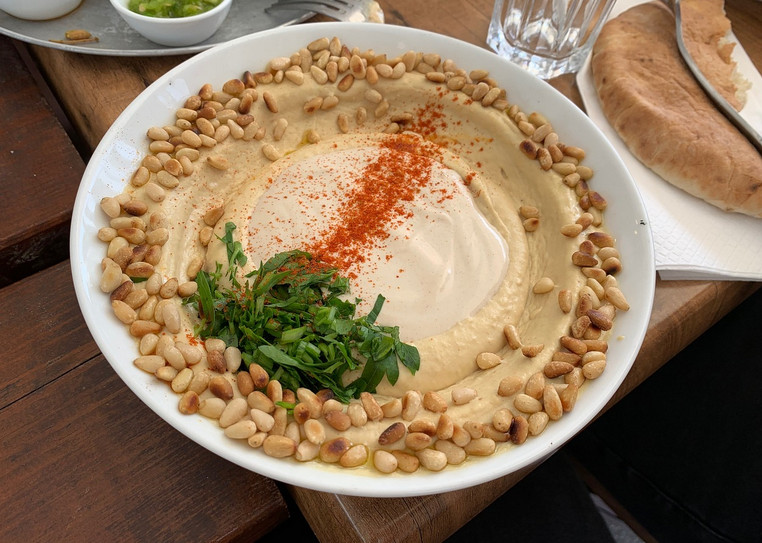
Turkey has long been recognized as one of the world’s richest culinary destinations. From kebabs and baklava to mezes and street food favorites, Turkish cuisine offers an incredible variety of flavors that reflect centuries of cultural exchange. Yet beyond these internationally known dishes lies a lesser-known treasure waiting to be discovered: Cevurı – The Hidden Gem of Traditional Cuisine in Turkey.
Rooted deeply in the traditions of rural Anatolia, Cevurı represents much more than a meal. It is a symbol of history, family, and the art of creating extraordinary flavors from simple ingredients. While modern food trends continue to dominate global conversations, traditional dishes like Cevurı preserve the authentic soul of Turkish culinary heritage.
What Is Cevurı?
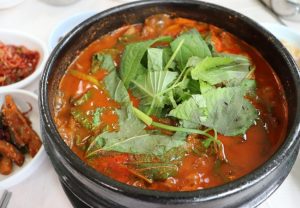
Cevurı is considered a traditional Turkish dish associated with the rural regions of Anatolia. It is typically prepared as a hearty slow-cooked meal combining meat, vegetables, grains, and aromatic spices. The essence of Cevurı lies in its simplicity: fresh ingredients transformed through patient cooking methods into rich and comforting flavors.
Unlike fast food or heavily processed meals, Cevurı embraces the philosophy of traditional Turkish cooking, where every ingredient contributes to a balanced and satisfying dish. The slow cooking process allows flavors to blend naturally, creating a deep taste profile that feels both rustic and memorable.
The Origins of Cevurı in Turkish Food Culture
To understand the significance of Cevurı, it is important to look at the roots of Turkish food culture itself. Turkish cuisine developed through influences from Central Asian traditions, Ottoman culinary practices, and Mediterranean flavors. Regional diversity across Anatolia created numerous unique dishes that reflected local ingredients and customs.
Cevurı emerged from communities where families relied heavily on locally available resources. Farmers and villagers often prepared filling meals using seasonal vegetables, grains, and meats raised nearby. Over time, recipes evolved and became part of the local culinary identity.
What makes dishes like Cevurı fascinating is their ability to tell stories. They reveal how generations adapted to their environment while maintaining traditions that still survive today.
Why Cevurı Stands Out Among Traditional Turkish Food
Turkey offers countless famous dishes, yet Cevurı possesses characteristics that make it distinctive among authentic Turkish cuisine.
1. Rich Layers of Flavor
Slow cooking is one of the secrets behind Cevurı’s appeal. Rather than rushing the process, ingredients are given time to absorb herbs and spices gradually. This creates a balanced flavor that feels comforting and natural.
2. Connection to Tradition
Many modern meals prioritize convenience, but Cevurı reflects an older way of cooking where preparation itself becomes meaningful. Families often shared cooking responsibilities, turning meals into social experiences.
3. Nutritional Balance
Traditional Turkish recipes often emphasize wholesome ingredients. Cevurı usually combines proteins, vegetables, grains, and natural seasonings into one complete dish, making it both satisfying and nourishing.
Ingredients Commonly Found in Cevurı
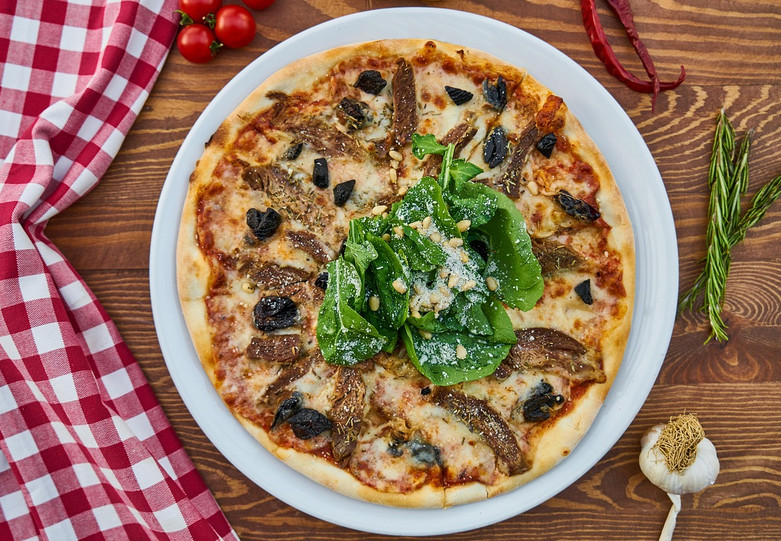
Although regional variations exist, several ingredients frequently appear in Cevurı recipes:
- Slow-cooked lamb or chicken
- Eggplants
- Tomatoes
- Onions
- Wheat or grains
- Garlic
- Traditional Turkish spices
- Fresh herbs
The flexibility of the recipe allows families to adapt it based on local availability and personal preferences. This adaptability helped Cevurı survive across generations.
The Growing Interest in Hidden Turkish Dishes
Global food lovers are increasingly searching for unique cultural experiences beyond mainstream dishes. Travelers today want to discover local specialties that reveal authentic traditions rather than only famous tourist foods.
This trend has created new appreciation for regional Turkish cuisine. Hidden culinary gems such as Cevurı attract curious travelers and food enthusiasts interested in experiencing something genuinely connected to local heritage.
Social media and food blogs have also played a major role in introducing lesser-known Anatolian dishes to international audiences. As people search for authentic food stories, traditional meals gain renewed attention.
How Cevurı Represents the Heart of Anatolia
Food often reflects the character of the place it comes from. Anatolia is known for hospitality, warmth, and strong family values. Cevurı embodies these qualities perfectly.
In many Turkish homes, meals are not simply about eating. They are opportunities for conversation, celebration, and togetherness. Preparing a traditional meal like Cevurı requires patience and care—qualities that have long been valued in Turkish society.
Every spoonful carries traces of history, culture, and the collective memory of communities that kept these traditions alive.
Final Thoughts
In a world where food trends constantly change, Cevurı – The Hidden Gem of Traditional Cuisine in Turkey reminds us that some of the most unforgettable flavors come from tradition rather than popularity.
Its rich taste, cultural significance, and connection to authentic Turkish cuisine make it more than just a regional dish. Cevurı offers a window into the heart of Turkey itself—a place where food serves as a bridge between past and present.
For travelers, food enthusiasts, and anyone eager to explore traditional Turkish food, discovering Cevurı means discovering a story that has been simmering quietly for generations.