What Does Walleye Taste Like? A Complete Guide to Flavor, Texture, and Cooking Tips

If you’ve ever visited the Great Lakes region or spent time fishing in northern North America, you’ve probably heard people rave about walleye. But for those who have never tried it, one question often comes up: what does walleye taste like?
Walleye is widely considered one of the best-tasting freshwater fish available. Its mild flavor, delicate texture, and versatility in cooking make it a favorite among anglers, chefs, and seafood lovers alike. Whether grilled, fried, baked, or pan-seared, walleye offers a clean taste that appeals even to people who normally don’t enjoy fish.
In this guide, we’ll explore everything you need to know about the flavor of walleye, how it compares to other fish, its nutritional benefits, and the best ways to cook it.
What Is Walleye?
Walleye is a freshwater fish native to North America. It belongs to the perch family and is commonly found in lakes, rivers, and reservoirs throughout Canada and the northern United States.
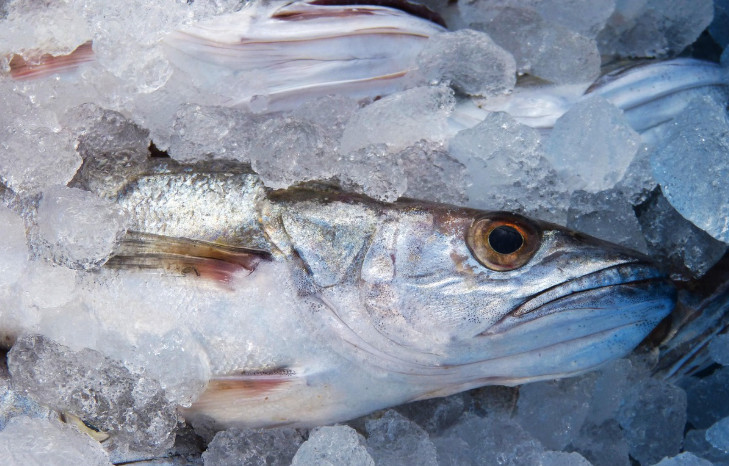
The fish gets its name from its large, reflective eyes, which help it see in low-light conditions. This makes walleye particularly active during dawn, dusk, and nighttime hours.
Because of its excellent eating quality, walleye has become one of the most sought-after freshwater game fish in North America.
What Does Walleye Taste Like?
The simple answer is that walleye tastes mild, slightly sweet, and very clean.
Unlike stronger-tasting fish such as mackerel or sardines, walleye has a subtle flavor that is neither overly fishy nor oily. Many people describe its taste as delicate and buttery, making it appealing to a wide range of palates.
Some common flavor characteristics include:
- Mild and non-fishy
- Slightly sweet undertones
- Clean freshwater flavor
- Buttery finish
- Light, delicate taste
Its gentle flavor allows seasonings, sauces, and cooking techniques to shine without overpowering the fish itself.
What Is the Texture of Walleye Like?
Texture plays a major role in why walleye is so popular.
Walleye features:
- Firm yet tender flesh
- Fine flakes
- Moist consistency
- Minimal connective tissue
When cooked properly, the fish flakes apart easily with a fork while remaining juicy and tender. It is less dense than swordfish but firmer than cod.
Many seafood enthusiasts consider walleye’s texture nearly perfect because it strikes an ideal balance between softness and firmness.
Does Walleye Taste Fishy?
One of the biggest reasons people enjoy walleye is that it has very little fishy flavor.
Freshly caught and properly handled walleye tastes clean and mild. If the fish develops a strong fishy odor, it is usually a sign that it is no longer fresh.
Compared to many saltwater species, walleye offers a much milder eating experience, making it an excellent choice for first-time fish eaters.
How Does Walleye Compare to Other Fish?
Walleye vs. Perch
Both fish belong to the perch family and share similar characteristics.
Walleye tends to have:
- Larger fillets
- Slightly sweeter flavor
- Firmer texture
- More meat per fish
Perch is often described as a bit lighter and more delicate.
Walleye vs. Cod
Cod is one of the most common white fish available.
Compared to cod, walleye offers:
- A sweeter taste
- More delicate texture
- Less saltwater flavor
- Finer flakes
Many people who enjoy cod quickly become fans of walleye.
Walleye vs. Salmon
Salmon has a richer, oilier flavor due to its higher fat content.
Walleye differs by being:
- Much milder
- Leaner
- Less oily
- More delicate in flavor
If you prefer light white fish over rich seafood, walleye may be a better choice.
Why Is Walleye So Popular?
Several factors contribute to the fish’s popularity:
Exceptional Flavor
Its mild taste appeals to both seafood enthusiasts and beginners.
Versatile Cooking Options
Walleye adapts well to various cooking methods, including:
- Frying
- Baking
- Grilling
- Broiling
- Pan-searing
Healthy Nutrition Profile
Walleye is rich in protein while remaining relatively low in calories and fat.
Excellent Fillets
The fish produces thick, boneless fillets that are easy to prepare and enjoy.
Nutritional Benefits of Walleye
Besides tasting great, walleye offers numerous health benefits.
A typical serving contains:
- High-quality protein
- Omega-3 fatty acids
- Vitamin B12
- Phosphorus
- Selenium
- Potassium
These nutrients support:
- Heart health
- Muscle growth
- Brain function
- Immune system performance
- Healthy metabolism
Because it is naturally lean, walleye fits well into many healthy eating plans.
Best Ways to Cook Walleye
The cooking method can influence how the fish tastes.
Pan-Seared Walleye
Pan-searing creates a crispy exterior while maintaining a moist interior.
Simply season with:
- Salt
- Black pepper
- Garlic
- Lemon juice
Cook in butter or olive oil for a restaurant-quality meal.
Fried Walleye
Fried walleye is a classic favorite among anglers.
A light breading enhances the fish’s natural sweetness without masking its flavor.
Grilled Walleye
Grilling adds subtle smoky notes that complement the fish’s delicate taste.
Use a fish basket or foil to prevent sticking.
Baked Walleye
Baking is one of the healthiest preparation methods.
Try seasoning with:
- Herbs
- Lemon slices
- Garlic
- Olive oil
The result is a light and flavorful entrée.
What Seasonings Go Well with Walleye?
Because of its mild flavor, walleye pairs well with a wide variety of seasonings.
Popular options include:
Herbs
- Dill
- Parsley
- Thyme
- Chives
Citrus
- Lemon
- Lime
- Orange zest
Spices
- Paprika
- Garlic powder
- Onion powder
- Black pepper
Sauces
- Garlic butter
- Tartar sauce
- Lemon butter sauce
- Herb cream sauce
The key is avoiding overly strong seasonings that could overpower the fish’s natural flavor.
What Does Walleye Taste Like Compared to Salmon?
This comparison is common among seafood shoppers.
Salmon offers:
- Rich flavor
- Oily texture
- Distinct fish taste
Walleye offers:
- Mild flavor
- Lean texture
- Delicate sweetness
If salmon feels too strong or rich for your preference, walleye provides a lighter alternative.
Can Beginners Enjoy Walleye?
Absolutely.
Many people who claim they don’t like fish often enjoy walleye because it lacks the intense seafood flavor found in some species.
Its mild profile makes it ideal for:
- Children
- First-time seafood eaters
- Picky eaters
- Individuals sensitive to fishy flavors
In fact, many anglers introduce newcomers to freshwater fish using walleye.
Is Walleye Better Than Other Freshwater Fish?
Taste is subjective, but walleye frequently ranks near the top of freshwater fish taste comparisons.
Many fishermen consider it superior to:
- Northern pike
- Carp
- Catfish
- Bass
The combination of mild flavor, flaky texture, and versatility gives walleye an excellent reputation among seafood enthusiasts.
Tips for Buying Fresh Walleye
To enjoy the best flavor:
Look for Firm Flesh
The fillets should feel firm and spring back when touched.
Check the Smell
Fresh walleye should smell clean and mild.
Inspect the Color
The flesh should appear moist and bright rather than dull or discolored.
Buy from Reputable Sources
Trusted seafood markets generally provide higher-quality fish.
Freshness significantly impacts flavor and texture.
Frequently Asked Questions
Does Walleye Taste Like Tilapia?
Not exactly. Walleye is generally sweeter, firmer, and more flavorful than tilapia.
Is Walleye a Good Eating Fish?
Yes. Many anglers consider it one of the best freshwater fish for eating due to its mild taste and excellent texture.
Does Walleye Have Bones?
Fillets are usually easy to debone and contain relatively few pin bones compared to some other fish species.
Why Is Walleye Expensive?
Its popularity, limited supply, and high demand often make it more expensive than common white fish.
Final Thoughts
So, what does walleye taste like? The fish offers a mild, slightly sweet flavor with a clean finish and tender, flaky texture. It lacks the strong fishiness associated with some seafood varieties, making it one of the most approachable and enjoyable freshwater fish available.
Whether fried, grilled, baked, or pan-seared, walleye delivers a delicious dining experience that appeals to both seasoned seafood lovers and beginners. Its combination of delicate flavor, excellent texture, and impressive nutritional value explains why it continues to be one of North America’s most prized freshwater fish.
If you’re looking for a versatile fish that is healthy, flavorful, and easy to prepare, walleye deserves a spot on your menu.